
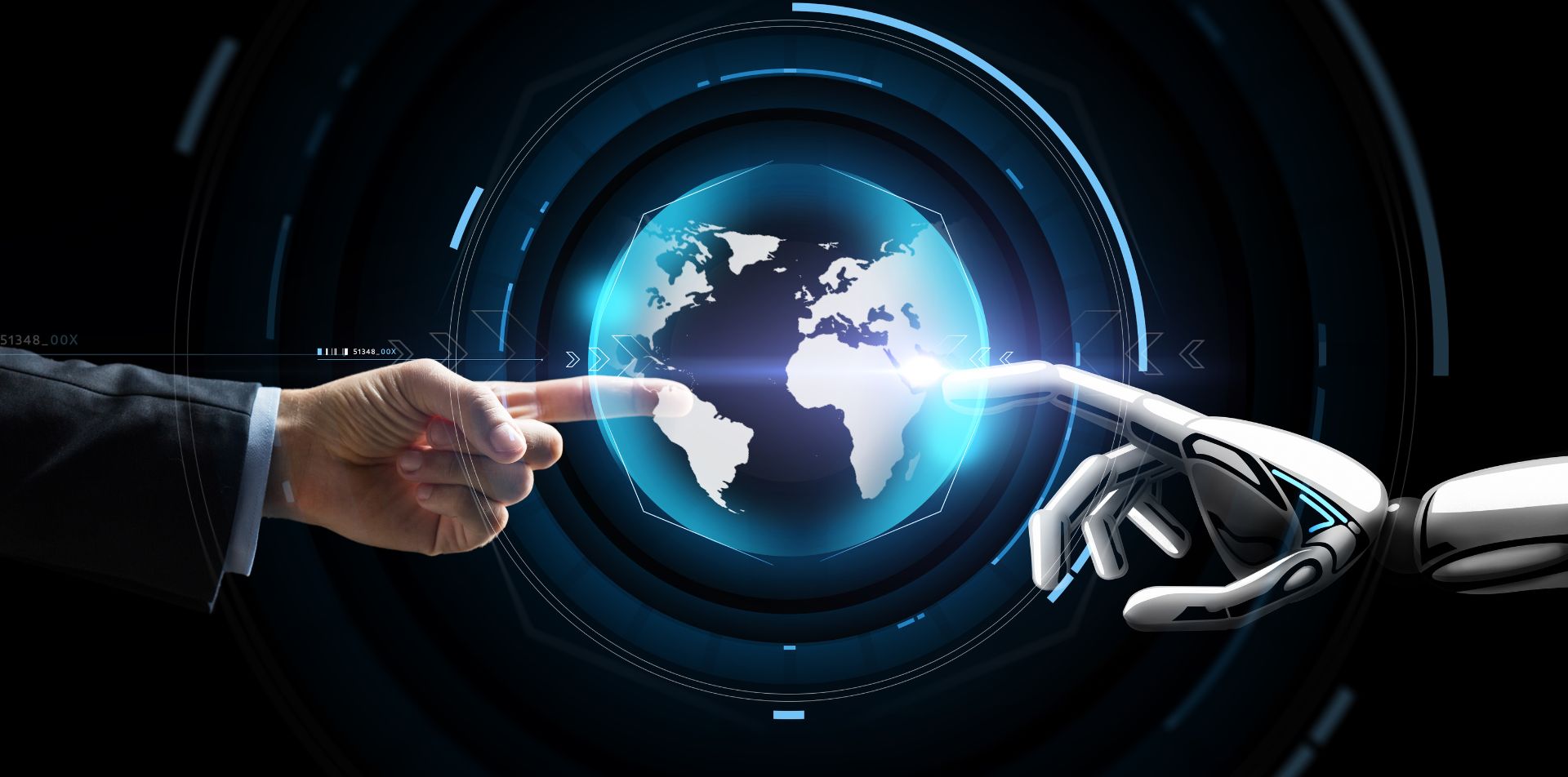
The marketing world is moving faster than ever. Automation has become a critical tool for agencies and brands, helping them manage complex tasks at scale. At the same time, human creativity remains the heartbeat of campaigns that connect emotionally and leave lasting impact. The challenge is not choosing between automation and creativity but learning how to strike the right balance so campaigns are both efficient and meaningful.
Automation has transformed the way campaigns are planned and executed. From scheduling social media posts to running programmatic ad placements, machines now handle tasks that would once require hours of manual work. AI-driven tools analyze customer behavior, predict engagement trends, and recommend the best times to post. Data-driven automation ensures campaigns are more precise and reduces wasted effort. For businesses, this means better ROI and faster delivery of results.
But automation alone is not enough. Efficiency does not automatically equal impact. Audiences do not remember a perfectly timed post or a flawlessly targeted ad if it lacks creativity. They remember the story, the emotion, and the connection they felt with the brand. This is where human creativity steps in. Creative professionals craft narratives, design visuals, and develop ideas that resonate with human values. They bring imagination, empathy, and cultural insight—qualities that no algorithm can replicate fully.
The strongest campaigns are those that merge automation with creativity. Data and AI may reveal what customers want, but it takes human imagination to turn those insights into stories that inspire action. For example, automation can predict which video format works best for a specific audience, but a creative team shapes the script, imagery, and tone that make viewers stop and watch. Similarly, an email campaign can be automated for delivery, but the copywriting and design still need the spark of creativity to engage readers.
Finding the right balance requires a clear understanding of what each side does best. Automation excels at handling scale, consistency, and optimization. Creativity thrives in originality, emotion, and storytelling. When brands allow these strengths to complement each other, campaigns achieve both reach and resonance. The risk lies in leaning too far to one side. Over-automation creates cold and impersonal campaigns. Over-reliance on creativity without data can lead to inefficiency and wasted resources.
Agencies that succeed in today’s market are those that embrace both sides equally. They invest in tools that automate repetitive tasks and free up time while giving creative teams the space to focus on storytelling. This balance not only makes campaigns more effective but also improves collaboration within teams. Strategists, data scientists, and creative professionals all play their part in shaping campaigns that perform and inspire.
For brands, the future of marketing will depend on this synergy. Audiences expect relevance and personalization, but they also want content that feels authentic and emotionally engaging. Campaigns built only on automation will feel mechanical, while those built only on creativity may fail to reach the right people. The balance is where success lies.
In a world where speed and scale matter as much as storytelling and originality, automation and creativity are not rivals. They are partners. When aligned properly, they allow brands to deliver campaigns that are both efficient and unforgettable. Striking that balance is not just a competitive advantage. It is the future of digital marketing.